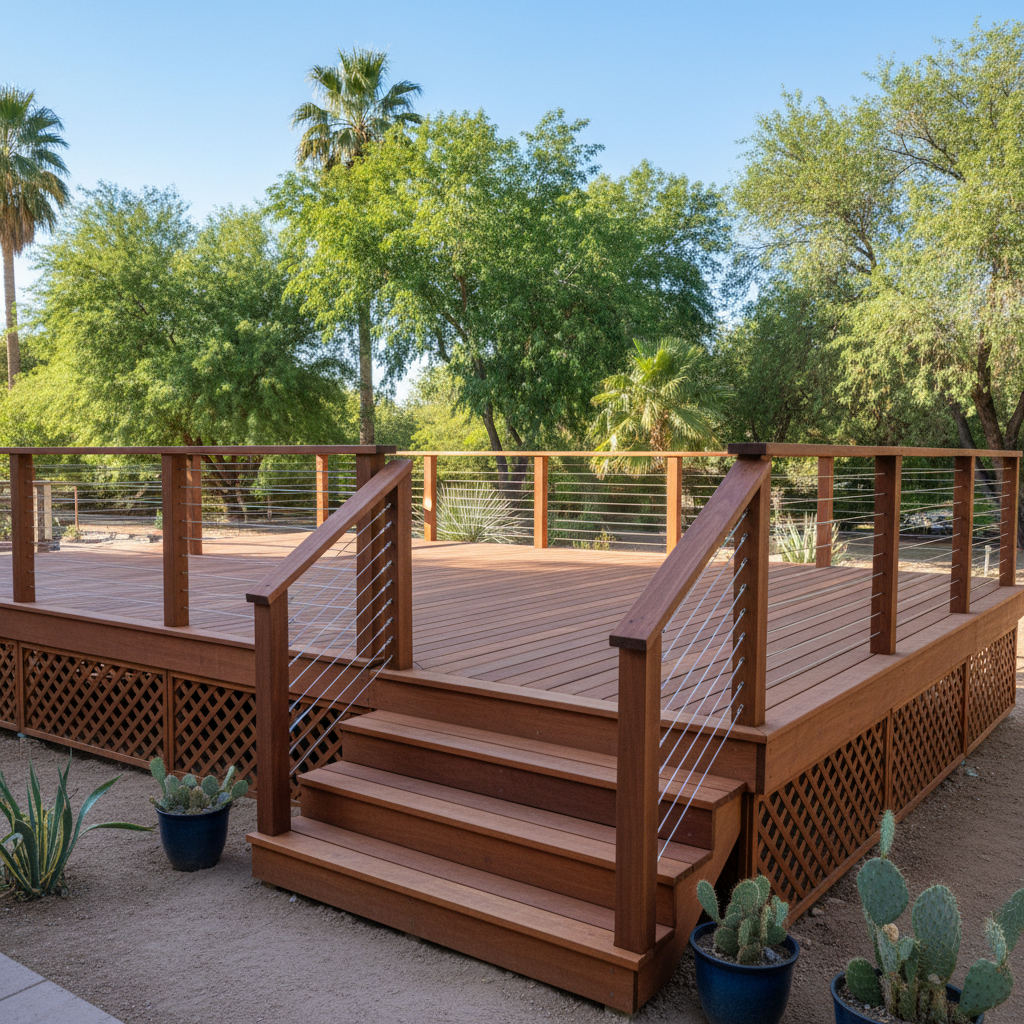
Alright, Tempe homeowners, let's chat about decks. You're probably dreaming of that perfect outdoor spot, somewhere to really soak up our amazing Arizona evenings without getting baked by the summer sun. That's fantastic! But before you dive in, I want to share some of the most common blunders I see people make when they're planning or hiring for a deck project. Trust me on this one: sidestepping these can save you a whole lot of headaches and money down the road.
Skipping the Permit Process (Seriously, Just Don't Do It)
This one's probably the biggest, most frequent mistake. I totally get it—permits can feel like a pain, just a bunch of red tape designed to slow everything down. But here in Tempe, like pretty much everywhere else, permits aren't just suggestions; they're the law. They make sure your deck is safe and built to last.
- What happens if you skip it? You could end up with some hefty fines, stop-work orders, or even worse, be forced to tear down your brand-new deck. Imagine spending all that cash and time, only to have to rip it apart. Nobody wants that.
- Why it matters here in Tempe: Our city has specific building codes for things like how high railings need to be, how deep footings should go, and exactly how the deck attaches to your house. These codes aren't arbitrary, especially with our expansive clay soils that can shift and cause foundation problems if things aren't done right.
- How to avoid it: Always, always check with the City of Tempe's building department before you even start. A good, reputable contractor, like us at Ace Deck Solutions, will actually handle the permit process for you, making sure everything meets code.
Ignoring Our Unique Tempe Soil and Climate? Big Mistake.
You can't just build a deck here the same way you would, say, in a place with a frost line. Our desert climate and soil conditions are truly one-of-a-kind, and if your builder doesn't get that, you're in for some real trouble.
- Expansive Clay Soils: Tempe sits right on expansive clay soils. What does that actually mean? Well, when it gets wet (hello, monsoon season!), this soil swells up a lot. Then, when it dries out, it shrinks. This constant movement puts a ton of stress on foundations and footings. If your deck's footings aren't designed specifically for this, you'll see settling, cracks, and structural issues pretty quickly.
- Extreme Heat: Our summers are just brutal, aren't they? Temperatures regularly shoot past 110 degrees. This heat messes with materials differently. Using the wrong kind of lumber or fasteners can lead to warping, early rot, or even the whole thing failing structurally. You really need materials and construction methods that can stand up to that relentless sun.
- What to watch for: Make sure your builder talks about proper footing depth and design for Tempe's soil, and how they're picking materials and fasteners that can truly handle our heat.
Falling for the Lowest Bid (That "Too Good to Be True" Feeling)
Everyone wants to save a buck—I totally get it. But when it comes to a big investment like a deck, the cheapest bid often screams "red flag."
- Cutting corners: Lowball bids usually mean a contractor is skimping somewhere. That could be using cheap materials, hiring inexperienced workers, or skipping crucial steps like getting permits or proper flashing.
- Hidden costs: What looks cheap upfront can quickly turn into a money pit later on with repairs, rework, or even a complete rebuild. You'll definitely end up paying more in the long run.
- Red flags to spot: Be careful if a contractor demands all the money upfront. Good builders typically ask for a deposit, then payments tied to project milestones. Also, if they don't give you a detailed contract that spells out everything from the scope to the materials, just walk away.
Poor Communication and No Clear Plan? Recipe for Disaster.
Building a deck is a partnership, really. If your contractor isn't talking clearly or doesn't have a solid plan, you're just setting yourself up for frustration.
- Vague contracts: A contract should be super detailed, covering the work, the budget, the timeline, and all the materials. If it's fuzzy, it leaves too much open to interpretation and potential arguments.
- Unresponsive builders: How long does it take them to get back to you? If they're slow during the quoting phase, just imagine how it'll be once the project starts and you have questions or concerns.
- No detailed drawings: You absolutely need to see what you're getting. Detailed plans help you visualize the final look and think about things like how people will move around, where the sun hits, and how the deck will connect to your house. Without this, you might just end up with something that doesn't quite match your vision or needs.
Building a deck should be an exciting journey, not a stressful one. By knowing about these common pitfalls, you can protect your investment and make sure you get that amazing outdoor living space you've always wanted, right here in Tempe.